What Is an Emergency Fund?
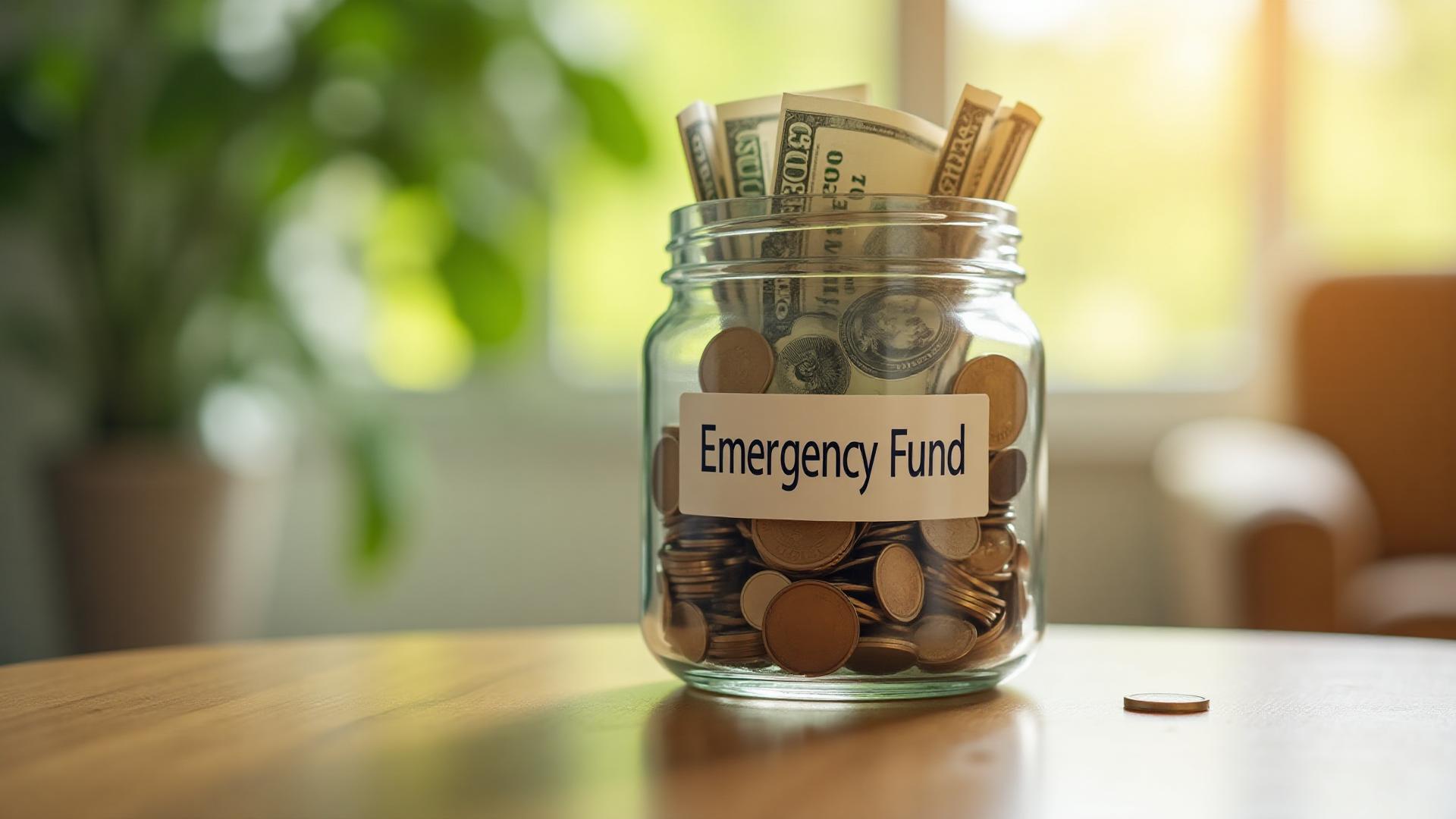
An emergency fund is a cash cushion designed to catch you when life pushes you off the edge. It's not an investment. It's not for holidays. It's financial insurance against the unexpected — and the unexpected always shows up.
Why You Need One (Even If You Think You Don't)
"I'll just use my credit card" is the most expensive lie we tell ourselves. Here's what happens without an emergency fund:
The Debt Spiral
Car breaks down (£600 repair)
Credit card pays for it at 22.9% APR
Can only afford minimum payments
Costs you £1,100+ over 3 years
Next emergency hits before you've recovered
Debt compounds, stress escalates
An emergency fund breaks that cycle. It turns crises into inconveniences.
How Much Do You Really Need?
The standard advice is 3–6 months of essential expenses. But let's get specific:
3
months
Minimum Viable Buffer
- → Stable job
- → Dual income household
- → Low fixed costs
- → Good support network
6
months
Solid Safety Net
- → Single income
- → Freelance/contract work
- → High fixed costs
- → Dependents
12
months
Maximum Security
- → Self-employed
- → Volatile income
- → Health concerns
- → Major life changes ahead
Step 1: Calculate Your Target
Don't use your total income. Calculate your essential monthly expenses:
Monthly Essentials Worksheet
Multiply by 3, 6, or 12 depending on your risk profile. That's your emergency fund target.
Step 2: Where to Keep It
Your emergency fund needs to be accessible but not too accessible (no debit card attached). In the UK, consider:
- Easy-access savings accounts — Instant withdrawal, 3–5% interest (2024 rates)
- Cash ISAs — Tax-free gains if you're hitting the savings limit
- Premium Bonds — No interest but potential prizes, backed by government
- NOT in stocks — Volatility defeats the purpose
- NOT in your current account — Too tempting to spend
Step 3: Build It (Without Feeling the Pain)
If your target is £9,000 (6 months × £1,500 essentials), that sounds impossible. Break it down:

The £1,000 First Milestone
Before tackling the full fund, aim for £1,000. This covers 80% of common emergencies:
- → Broken boiler
- → Car repair
- → Vet bill
- → Replacement appliance
At £50/week = 5 months. At £100/week = 2.5 months. Achievable? Yes. Life-changing? Absolutely.
Automation Strategies:
- Set and forget — Auto-transfer on payday before you "see" the money
- Round-up apps — Moneybox, Plum, etc. save spare change automatically
- Windfall rule — 50% of bonuses, tax refunds, gifts go straight to the fund
- Side hustle earmark — All extra income = emergency fund until target hit
Common Mistakes to Avoid
- Using it for "emergencies" like sales — If it was planned, it's not an emergency
- Not replenishing after use — Rebuild immediately
- Chasing high interest at cost of access — Liquidity > an extra 0.5%
- Stopping once you hit the target — Keep the habit, redirect to other goals
What Counts as an Emergency?
✓ Real Emergencies
- → Job loss
- → Medical crisis
- → Essential car/home repair
- → Emergency travel (family crisis)
- → Broken appliance you need daily
✗ Not Emergencies
- ✗ Holiday deals
- ✗ Black Friday sales
- ✗ "I deserve a treat"
- ✗ Predictable annual costs (MOT, gifts)
- ✗ New phone because current is slow
Once You're Fully Funded
Hitting your emergency fund target is a massive achievement. Now what?
- Celebrate — Seriously, acknowledge this win
- Redirect contributions — Same auto-save, different account (debt payoff or investing)
- Review annually — Life changes, expenses rise — adjust your target
- Keep it sacred — This is your safety net, not a piggy bank
"You know your emergency fund is working when your first thought during a crisis isn't 'How will I afford this?' but 'Which account do I transfer from?'"
That's financial security
Put It Into Practice
Work out exactly how long it will take to build your emergency fund based on your monthly savings. Use our calculator to create a realistic timeline and stay motivated.
Try Savings Timeline Calculator